
SLYNUMBER
MobileSphereCommunication
3.9189.00 Reviews
- Version
- 11.6
- Installs
- 500.00K
- Age Rating
- Everyone
Screenshots
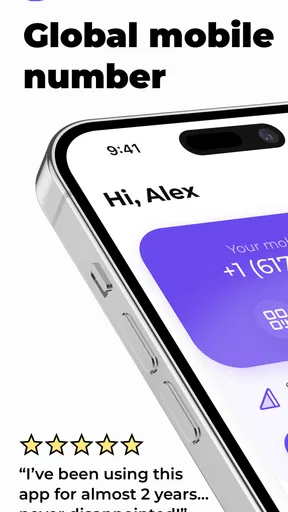
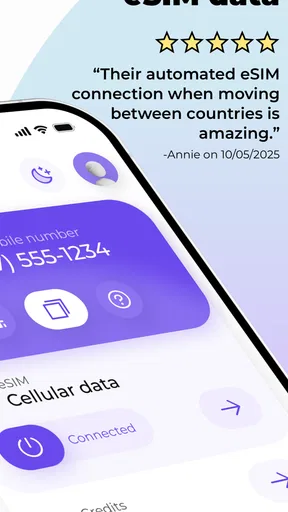
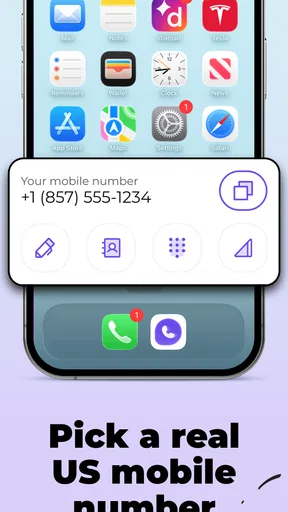
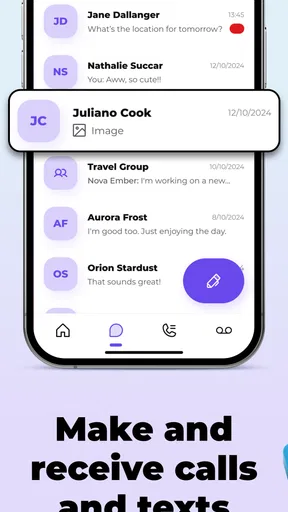
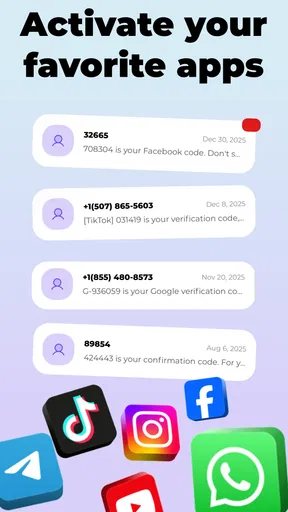
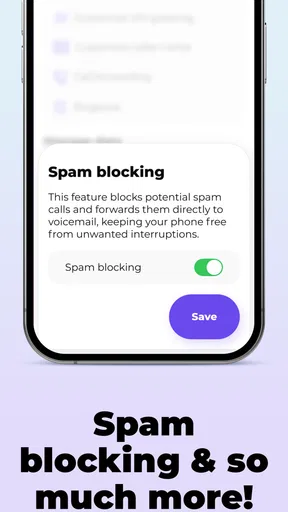
Our Review of SLYNUMBER
 Analysis by Appyee
I like the idea behind SLYNUMBER because it solves a very ordinary communication problem: keeping a second phone number available without carrying another handset. It is a free communication app from MobileSphere, designed for making and receiving calls and texts through an additional number. After spending time with it, I see it as a practical tool for separating parts of your life, although it is not automatically a replacement for a full mobile plan or a primary phone line.
The appeal is easy to understand. You might want one number for online selling, temporary projects, apartment searches, deliveries, dating, or work contacts while keeping your personal number private. A second number can also make it easier to separate family conversations from side-business messages. In those situations, the app feels more useful than a generic messaging service because the point is having another phone identity rather than simply joining another chat platform.
SLYNUMBER is listed as a free app for Everyone, with optional in-app purchases ranging from a few dollars to higher-priced items. That makes it approachable for casual testing, but I would still treat the free experience as a starting point rather than assuming every useful option will remain free. The current version is 11.6, and the app requires Android 9 or later. Those details matter if you are installing it on an older phone or trying to keep a spare device useful.
How SLYNUMBER feels in everyday communication
I find the appeal of a second number is less about adding more conversations and more about deciding which conversations get access to my personal line. That distinction can change the rhythm of a busy day: I can give a temporary task its own channel and check it deliberately instead of letting every new contact blend into my usual calls and texts. From there, the key question is how that separation affects the way conversations unfold.
Speed expectations when you need a second line quickly
The first thing I look for in an app like this is whether it gets out of the way. A second-number service is most valuable when I can open it, locate the relevant conversation or calling control, and continue with my task without treating the app like a project. SLYNUMBER is built around a focused purpose, so it makes more sense for direct communication than for people who want a large social network, a media-heavy inbox, or a broad collaboration suite.
In practical use, perceived speed depends on more than the app itself. Calls and texts are communication events, so the quality of the phone’s connection, the network being used, and the responsiveness of the device all influence how quickly an action completes. I would not judge the app solely by how fast its screens appear. The more important question is whether it helps me move from “I need another number” to “I can contact this person” without adding unnecessary steps.
One useful habit is to set up the number before you need it. If you are posting an item for sale, arranging a service appointment, or starting a temporary project, create the separate contact channel in advance and test it with someone you trust. That avoids discovering at the busiest moment that you have not finished configuration or that you are looking in the wrong inbox. This is a small workflow improvement, but it makes a second-number app feel much faster in real life.
I also recommend keeping the app’s role narrow. If I use the number for a short-term purpose, I label the contact clearly in my own address book and decide where replies should go. That prevents the common mistake of receiving a message on the secondary line and forgetting which context it belongs to. SLYNUMBER is more effective when it is treated as an intentional communication channel instead of an extra inbox that I check randomly.
What happens during heavier communication periods
The app becomes more demanding when the second number is no longer occasional. A few texts for a classified listing are one thing; handling repeated calls, ongoing conversations, and several separate contacts is another. During heavier use, organization matters as much as raw responsiveness. If I allow every temporary conversation to remain active indefinitely, the value of separation starts to weaken because the secondary line becomes cluttered.
For that reason, I would use a simple cleanup routine. I keep ongoing conversations that still have a purpose, note which contacts belong to work or personal tasks, and remove the mental clutter when a project ends. This is especially helpful for people using the number for freelance inquiries, event planning, or marketplace sales. The app can provide the channel, but I still need to manage the meaning of each conversation.
A second non-obvious trade-off is availability. The more I depend on the number, the more important it becomes to remember that a phone-based communication tool is not the same as a permanent business system. If a customer, landlord, or colleague needs a dependable long-term contact, I would be cautious about making a temporary secondary number the only route to me. For short projects it is convenient; for an identity I expect to keep for years, a conventional carrier number may be the safer choice.
Heavy use also exposes the difference between communication and storage. Text conversations can be easy to accumulate, but that does not mean I should use the app as an archive for important records. I would save essential details elsewhere, such as appointment information, payment instructions, or agreed delivery times. That way, the app remains a practical contact tool rather than the single place where an important arrangement exists.
Reliability and recovering from interruptions
Reliability is the area where I would set the most realistic expectations. A second-number app can be useful, but calls and texts are sensitive to connectivity and device conditions. A weak connection, aggressive battery management, a phone that has been restarted, or a notification that was dismissed can all affect how quickly I notice an incoming message. I would not call that a flaw unique to SLYNUMBER, but it is a reason not to treat any internet-dependent communication app as magic.
My preferred approach is to test the complete cycle rather than only sending one message. I would make sure I can send a text, receive a reply, place a call, and notice an incoming call while the phone is in the state I normally use it. Testing only the outgoing side can create false confidence. The receiving side is what matters when someone else needs to reach me.
Recovery is also part of the experience. If the app is closed, the phone has been restarted, or I have moved between networks, I would reopen it and check for missed activity instead of assuming every event appeared immediately. This is particularly important if the number is being used for time-sensitive arrangements. A short check after reconnecting is a sensible habit and costs little.
I would also avoid using a secondary number as the sole recovery contact for an account that protects something important. If access to that number becomes inconvenient, the recovery process could become more complicated at exactly the wrong time. SLYNUMBER makes sense as a privacy and separation tool, but I would pair it with a stable primary contact method for critical accounts and services.
The app’s average rating is 3.9 from around 1.3 thousand ratings, with roughly 189 written reviews. I read that as a sign of a useful but not universally perfect experience. It is strong enough to show that the concept works for many people, while the less-than-outstanding average reminds me to think about my own needs, network, and tolerance for occasional friction before relying on it heavily.
Device constraints and resource expectations
SLYNUMBER supports Android 9 and newer, which covers a broad range of phones but excludes devices that have remained on older software. Before installing, I would check the Android version on a spare or older handset rather than assuming a second-number app will work there. This is especially relevant if the goal is to repurpose an old phone for a project, a small business, or a family member.
The device itself can shape the experience. A low-storage phone, an overloaded notification area, or strict background limits may make any communication app less convenient. I would keep enough free space for normal updates, avoid silencing notifications that belong to the secondary line, and check battery settings if incoming communication is important. These are not glamorous adjustments, but they are more useful than chasing tiny differences in screen speed.
Resource demands are best judged by the role I give the app. For occasional texts and brief calls, I would expect a lighter practical burden than from a social app constantly loading images, videos, and feeds. However, I would not assume that “second number” means “no battery or data impact.” Calls and message activity still depend on the phone staying connected, and frequent use can make the app more noticeable on a modest device.
There is also a privacy-related device habit worth adopting: use the secondary line consistently. If I switch between several phones without a clear routine, I can miss a message or forget which device is expected to receive a call. For a spare phone, I would keep the app visible, notifications understandable, and the device charged. For a main phone, I would separate the app’s alerts from personal messages so I can recognize the purpose of an incoming contact.
Who benefits most from the separate-number approach
The best users are people who need boundaries. A person selling furniture online can publish a number without immediately exposing a personal line. A freelancer can direct new inquiries to a dedicated channel. Someone arranging a move can keep utility companies, landlords, and service providers separate from family chats. A traveler or remote worker may also appreciate having a communication identity that is distinct from everyday contacts.
It is particularly helpful when the alternative is sharing a personal number with people I do not expect to know well. That does not make the app a complete privacy solution, but it gives me a layer of separation. If a conversation becomes unwanted, I can stop using that channel without disrupting every personal contact attached to my main number.
I would skip it if I need guaranteed carrier-level service, emergency communication, a permanent business identity, or a single number that must work in every situation. I would also hesitate if I dislike managing another inbox or if I regularly forget to check secondary channels. In that case, the extra separation could become an extra responsibility rather than a benefit.
Compared with a normal carrier line, SLYNUMBER is more flexible for trying a separate communication identity without adding another physical phone. The carrier option is usually the more natural fit for a permanent line, dependable coverage, and people who do not want to think about app conditions. Compared with ordinary messaging apps, SLYNUMBER is better suited to contacts who need a phone number rather than an account on the same platform. That distinction is the main reason to choose it.
Costs, expectations, and sensible setup
The app itself is free to install, which makes experimentation easy. Optional purchases are listed from $2.99 to $49.99 per item, so I would review the purchase screen carefully before committing to a longer-term workflow. The important question is not simply whether the download costs nothing; it is whether the features or usage pattern I need fit comfortably within my budget.
I would start with a low-risk use case rather than immediately moving important contacts to the service. For example, I might use the number for a short marketplace listing or a temporary event, then observe how naturally I receive and answer messages. That trial tells me more than a store summary can, because my own network, phone habits, and expectations determine whether the app feels dependable.
Another practical tip is to tell trusted contacts which number is being used for the specific task. People often ignore unfamiliar numbers, and a second line can look suspicious if nobody knows why it exists. A clear message such as “please use this number for the repair appointment” reduces confusion without exposing the personal line I am trying to protect.
The Everyone age rating makes the app broadly approachable, but that does not remove the need for sensible communication habits. I would still avoid sharing sensitive information casually, especially with unknown callers or contacts from public listings. A separate number can reduce exposure of my primary line, yet it does not turn an uncertain conversation into a trustworthy one.
My performance verdict after weighing convenience against dependability
My overall view is favorable for the right job. SLYNUMBER does not need to be a full communications replacement to be worthwhile; it needs to make a second number practical enough for everyday separation. Its strongest quality is the way it fits temporary or parallel communication needs: a project, a sale, a side business, or a boundary between public and private contacts.
Its limits are equally important. I would not build a critical account-recovery plan around it, rely on it without testing incoming communication, or assume that a free installation means every desired use will remain cost-free. Device settings, connectivity, and personal organization can affect the experience, and heavier use demands more attention than the simple concept initially suggests.
With over 500 thousand installs, the app has clearly attracted a substantial audience, and the current 11.6 release shows that it remains an actively relevant option for its purpose. I would recommend trying it on a compatible Android phone if you want a second communication channel without immediately carrying another handset. Just give it a defined role, test the full send-and-receive workflow, and keep a conventional primary contact method for anything truly important.
For me, the final decision is straightforward: choose SLYNUMBER when separation and convenience matter more than having a traditional permanent line. Skip it when absolute availability, carrier-level reliability, or effortless account recovery is the priority. Used with those boundaries in mind, it is a useful communication companion rather than a solution that tries to replace everything.
Verdict
Strengths of SLYNUMBER
- Quickly identifies unknown callers and suspicious numbers.
- Simple interface makes number searches easy for all users.
- Useful spam reports help users avoid unwanted calls.
- Can support safer decisions before returning unfamiliar calls.
- Search results are generally presented in an easy-to-read format.
Limitations of SLYNUMBER
- Coverage may vary by country and by the number of reported users.
- Some numbers may have outdated or incomplete information.
- Advanced features may require payment or an account.
- Results can be inconclusive for private or newly created numbers.
- Privacy permissions should be reviewed before using caller-related features.
Similar Picks in This Category
View All
Google Messages
Google LLC4.6

Gmail
Google LLC4.1

Google Meet
Google LLC4.4

Google Chrome
Google LLC4.1

WhatsApp Messenger
WhatsApp LLC4.6

Carrier Services
Google LLC4.2
Frequently Asked Questions
What is SLYNUMBER and what can I use it for?
SLYNUMBER is a phone-number-related application designed to help users manage, identify, or interact with numbers through its available tools. Depending on the version and region, its features may include number searches, caller information, privacy-related options, or communication utilities. Before installing, review the current store description carefully, because functionality can vary between Android and iOS and may change with updates.
Is SLYNUMBER free to download and use?
SLYNUMBER may be available as a free download, but some functions can require payment, a subscription, credits, or in-app purchases. We recommend checking the pricing section in Google Play or the App Store before creating an account or using advanced tools. Also verify whether a free trial automatically converts into a paid subscription and learn how to cancel it through your device settings.
Does SLYNUMBER require access to my contacts, phone, or personal information?
A number-management or caller-related app may request permissions such as contacts, phone status, call history, notifications, or internet access. These permissions can support core features, but you should not approve anything without understanding its purpose. Check SLYNUMBER’s permission list and privacy policy, and deny optional access if it is not necessary for the feature you intend to use.
Can SLYNUMBER identify any phone number accurately?
No number-identification service can guarantee complete or error-free results. Information may be missing, outdated, incorrectly attributed, or unavailable for private, unlisted, international, or newly registered numbers. Treat results as indications rather than definitive proof, especially when dealing with suspicious calls, financial requests, or personal disputes. Never share sensitive information solely because the app displays a name or location.
Is SLYNUMBER safe to install and use?
Safety depends on downloading SLYNUMBER from an official Google Play or App Store listing, keeping the app updated, and reviewing its privacy practices before use. Avoid modified APK files or unofficial download pages, since they may contain malware or altered code. Use a strong account password, monitor subscription charges, and contact your carrier or authorities directly if you receive threatening or fraudulent calls.
